
How Can I Manage Hunger and Cravings After Starting Workouts?
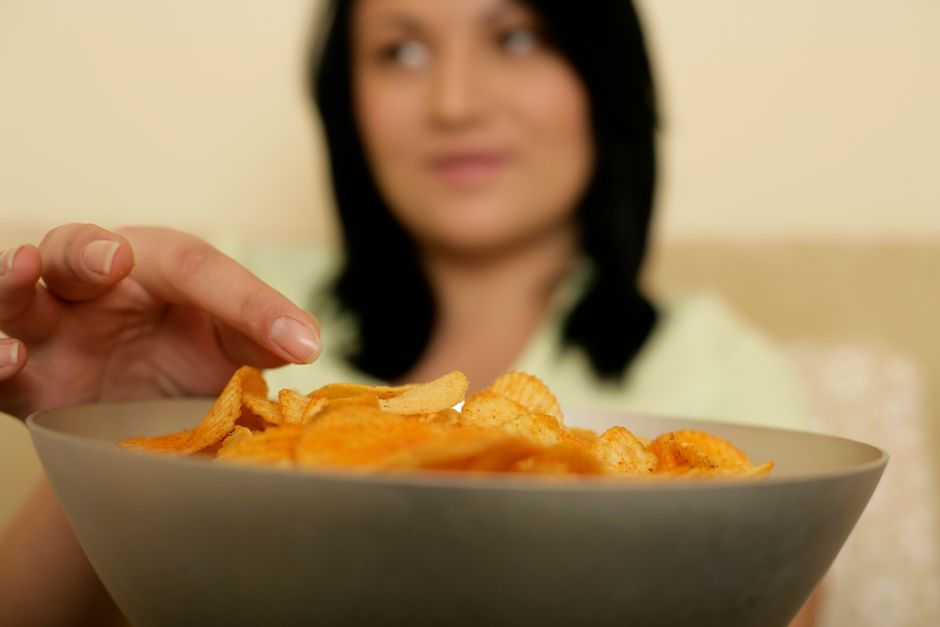
Intense hunger after starting workouts does not mean exercise is failing your fat-loss plan. Treat it as a signal to investigate, not a command to raid the kitchen: plan a satisfying meal or snack, include protein, carbohydrate, fiber, and fluids, then watch your hunger and weight trends over time instead of trying to earn food back calorie by calorie.
Why am I starving after I exercise?
You may be hungry after exercise because recovery needs, meal timing, restrictive dieting, habit, and thirst cues can all arrive wearing the same disguise. The practical mistake is calling every urge “exercise hunger” and responding with whatever food is easiest.
Start with the surprising part: intense hunger is real for some people, but it is not the average immediate response to a workout. A 2023 peer-reviewed review in PubMed found that a single moderate-to-vigorous land-based session generally lowered subjective appetite and acylated ghrelin while increasing peptide YY and GLP-1, hormones associated with satiety. Those changes are temporary, and the review also reports substantial variation between people. Your response is the operating data.
Run the cue check. Before deciding what to eat, pause and name the likely trigger. Did you train after a long stretch without food? Did you finish with no meal plan waiting? Are you responding to routine, such as always buying a treat on the way home? Or did a strict food rule make the workout feel like permission to break it?
Dehydration can feel similar to hunger, but the provided research does not establish a way to diagnose it from appetite alone. A low-drama replacement behavior is to include a drink with the planned post-workout meal, then reassess rather than guessing from the craving itself.
Use the Meal Bridge. Decide before training what closes the gap afterward. The goal is not perfection. The goal is to prevent a hungry, tired version of you from making a high-stakes food decision with no plan.
| Situation | Practical response |
|---|---|
| Training follows a long gap since eating | Test a planned pre-workout snack containing carbohydrate and protein. |
| You finish hungry and have no meal ready | Prepare a post-workout option with protein, carbohydrate, fiber, and a drink. |
| Cravings appear on the same route or at the same time | Change the routine: bring food, take a different route, or eat the planned meal first. |
| Diet rules create rebound eating | Replace “I earned anything” with “I have a recovery meal planned.” |
Can working out make me eat back all the calories I burned?
Working out can lead some people to eat more later, but the immediate evidence does not show automatic, complete calorie compensation after every session. The useful operating rule is simple: do not turn an exercise estimate into a precise food budget.
A 2013 PubMed meta-analysis covering 29 studies and 51 exercise trials found only a trivial change in absolute energy intake after exercise and a short-term energy deficit in relative intake. Food was usually offered soon after exercise, and participants were followed only over the short term, so that result does not guarantee what happens over weeks or months. It does block the lazy conclusion that one workout inevitably gets eaten back immediately.
Exercise type also does not supply a clean “hungry” versus “not hungry” label. In a 2021 controlled crossover study of inactive adults, neither aerobic walking nor resistance training increased reported appetite or subsequent unrestricted lunch intake compared with a sedentary condition, even though the appetite-related hormone responses differed between the exercise modes. Cardio, strength work, and harder sessions can feel different; actual eating still needs to be observed rather than assumed.
Replace calorie chasing with trend tracking. The U.S. Department of Health and Human Services says calorie tracking is not required and recommends a food and activity diary that includes timing, place, amount, activity, and feelings. That produces better evidence than a watch number followed by a snack calculation.
Use this script when the “I earned it” thought appears: “The workout supports my plan. My next meal supports it too.” It is not a restriction slogan. It is a way to keep the workout from becoming a transaction that expands your appetite budget.
What should I eat after a workout when trying to lose weight?
After a workout, choose a planned, filling meal or snack that combines protein, carbohydrate, fiber, and fluids rather than trying to white-knuckle hunger or reward it with an unplanned treat. The right portion and timing depend on the person and the rest of the day, but the structure is repeatable.
Federal healthy-weight guidance recommends an eating pattern that includes fruits and vegetables, whole grains, dairy, and protein foods such as eggs and beans, while choosing water instead of sugar-sweetened drinks. Translate that guidance into food you will actually eat after training: yogurt with fruit and oats; eggs with whole-grain toast and vegetables; beans with whole grains and vegetables; or another familiar combination that covers the same jobs.
Build the Recovery Plate. Protein gives the meal an anchor. Carbohydrate makes the meal feel complete after activity. Fiber from produce, beans, or whole grains adds staying power. Fluids make the meal less likely to become a frantic scavenger hunt for more food.
Fasted exercise is not automatically the best choice for managing appetite. A 2021 systematic review and network meta-analysis found higher subjective hunger after fasted exercise than fed exercise in the compared conditions. If fasted workouts repeatedly end in overeating, test a small planned fuel option before the session and compare the rest of the day, not just the scale of the craving at the gym door.
The broader standard is consistency. The U.S. Physical Activity Guidelines state that physical activity and caloric intake both matter for body-weight control; neither side gets to do all the work. Keep training, keep meals predictable enough to learn from them, and review the trend after enough ordinary days to see the pattern.
Frequently Asked Questions
Why do I crave sweets after cardio?
A sweet craving can be a cue to look at the gap between your last meal, your workout, and your next planned meal. Acute moderate-to-vigorous exercise typically suppresses appetite in the short term, according to a 2023 PubMed review, but individual responses differ substantially. Rather than treating the craving as proof that you need unlimited sweets, use it as a prompt to have a planned meal or snack with carbohydrate plus protein and fiber.
Should I eat before a workout to prevent overeating afterward?
It is worth testing a planned pre-workout snack or meal if fasted sessions repeatedly leave you intensely hungry afterward. A 2021 systematic review found greater subjective hunger after fasted exercise than after fed exercise in the compared conditions. The useful question is not whether fasted training is universally better, but whether a small, repeatable fuel plan produces steadier appetite for you.
How do I know whether post-workout hunger means I am underfueling?
Look for a repeatable pattern: note the timing and content of meals, the workout, hunger afterward, and what you eat next. Federal healthy-weight guidance recommends recording food, timing, place, amount, activity, and feelings, while noting that calorie tracking is not required. If the pattern remains difficult to manage or raises health concerns, a qualified health professional can help assess the wider picture.
This week’s drill: Choose one workout day. Write your pre-workout meal, your planned post-workout meal, your hunger before and after, and what actually happened. Do not grade the day. Use it to remove one source of guesswork from the next session.
Sources
- PubMed: Acute exercise and appetite review
- PubMed: Meta-analysis of exercise and energy intake
- PubMed: Aerobic versus resistance exercise appetite study
- PubMed: Fasted versus fed exercise review
- U.S. Department of Health and Human Services: Aim for a Healthy Weight
- Physical Activity Guidelines for Americans
Disclaimer: This article is for general information only and is not medical advice. It is not a substitute for diagnosis or treatment by a qualified healthcare professional. Always speak to your doctor before acting on anything you read here.
Related guides

Which Weight-Loss Products Work? Evidence, Limits, and Red Flags
Compare evidence-backed fiber and meal replacements with fat burners, protein shakes, and the safety red flags that matter.
Why Am I Losing Weight but Still Have a Lower-Belly Pouch?
Why lower-belly fullness can remain after weight loss, how to separate fat from bloating, and what body-composition steps make sense.