
Why Am I Losing Weight but Still Have a Lower-Belly Pouch?
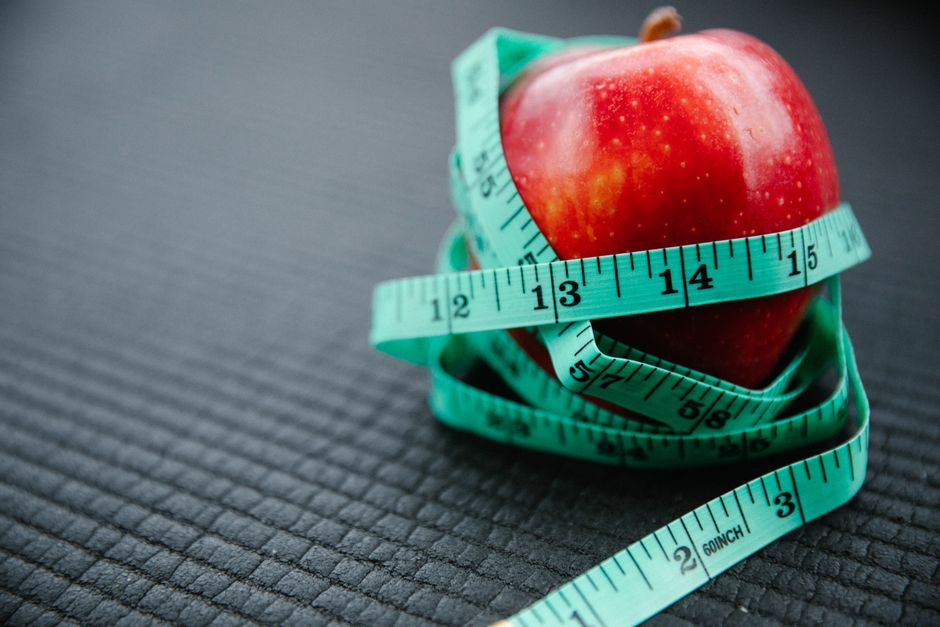
Weight loss can reduce body fat without changing every area at the same visible pace. A lower-belly pouch can reflect remaining subcutaneous fat, the way your body distributes fat, a change in muscle relative to fat, temporary bloating, or loose skin. The useful next move is to identify which factor is showing up rather than trying to force fat loss from one spot.
Why am I losing weight everywhere except my stomach?
You are not necessarily losing weight everywhere except your stomach; the abdomen can simply remain the most noticeable place where subcutaneous fat is still present. A 2017 critical review and meta-analysis in PubMed found that subcutaneous fat was larger than visceral fat when measured by area, volume, and weight. That visible layer can remain even while the scale moves down.
There is a second issue: the scale is a blunt instrument. The National Institute of Diabetes and Digestive and Kidney Diseases states that BMI does not directly measure the amount of fat in the body. It cannot tell you how much muscle you have, how much fat you have, or where either sits.
That is the scale-versus-shape gap. Weight answers one question. Body composition and fat distribution answer the question you are actually looking at in the mirror.
Waist measurement can add context, but it is not a verdict. NIDDK associates waist circumferences of 35 inches or more for women and 40 inches or more for men with increased obesity-related health risk. NIDDK also notes that fat stored around the upper body and abdomen matters for health risk, and that some people with Asian ancestry can store more fat around the waist even when BMI is not high.
Why is lower belly fat the last fat to go?
Lower belly fat can look like the last fat to go because fat loss is not a local, controllable sequence. The 2017 PubMed review found no intervention that preferentially targeted visceral fat; changes in visceral fat were linked with changes in subcutaneous fat rather than independently targetable by one diet, workout, medicine, or procedure.
That matters because the lower-belly area you can see and pinch is commonly discussed as subcutaneous fat. The visible result is not a scoreboard for effort. It is the outcome of how much subcutaneous fat remains, where your body stores it, and how that layer sits over your frame.
Weak plan: “Add more ab work until the pouch disappears.”
Stronger plan: “Use training to improve whole-body fitness and muscle, then judge progress with more than one signal.”
A 2021 systematic review and meta-analysis of 43 trials with 3,552 participants, published in PubMed, reported that aerobic training, resistance training, and combined training all reduced subcutaneous abdominal fat compared with controls. The pooled reduction was greatest with combined exercise training. The point is not that one routine guarantees a flat lower abdomen. The point is that a whole-body approach has evidence behind it; targeted promises do not.
Also separate a stable body-fat pattern from a fluctuating abdomen. NIDDK defines bloating as a feeling of fullness or swelling and calls a visibly larger abdomen distention. Only about half of people with bloating also have distention, according to NIDDK. If the shape changes noticeably across the day, fat alone is an incomplete explanation.
Can I lose lower belly fat without losing more weight?
You cannot guarantee lower-belly fat loss at stable weight, but a body-composition goal can be more realistic than continued aggressive weight loss when the scale is already acceptable. The trade-off is simple: the scale may change little while the balance of muscle and fat changes over time.
Run the body-composition check: ask whether the main goal is less scale weight, a smaller waist, greater strength, or a different visual shape. Those are related goals, not interchangeable ones. NIDDK notes that older adults can lose bone and muscle while gaining body fat without a BMI change, which is why scale weight alone can mislead.
Resistance training belongs in this conversation because it can support muscle-focused goals. The American College of Sports Medicine reported in its 2026 position stand that its evidence standards drew on more than 137 studies and data from more than 30,000 participants. That review addresses muscle hypertrophy, strength, endurance, power, and physical function, making resistance training a practical body-composition option rather than a tool reserved for chasing lower scale weight.
| What you notice | What it may point to | Useful next question |
|---|---|---|
| A stable soft abdominal layer | Remaining subcutaneous fat | Is the goal overall fat loss, strength, or a different body composition? |
| Size that changes over hours or days | Bloating or distention | Are there digestive symptoms or a sudden change? |
| Loose folds or altered skin texture after weight change | Loose skin | Has body weight changed faster than your shape has had time to settle? |
Do not turn every abdominal change into a fitness problem. NIDDK advises medical evaluation when gas symptoms change suddenly or occur with abdominal pain, constipation, diarrhea, or unintentional weight loss. Persistent or sudden abdominal swelling deserves clinical attention, especially when it arrives with those symptoms.
This week’s drill: choose one measure beyond body weight that matches your actual goal, such as waist context, training progress, or the pattern of abdominal changes across the day. Then write one sentence: “The result I am trying to change is ___, and the evidence-based lever I can use is ___.” That replaces random effort with a clear job.
Frequently Asked Questions
Is my lower-belly pouch fat, bloating, or loose skin?
It can be any of the three, and appearance alone cannot confirm which one it is. A change that comes and goes over a day fits bloating or distention more closely than fat; NIDDK distinguishes the feeling of bloating from visible abdominal enlargement, called distention. A stable soft layer may be subcutaneous fat, while skin texture and folds after weight change can suggest loose skin.
Do ab workouts get rid of stubborn belly fat?
Ab workouts can train abdominal muscles, but they do not promise targeted lower-belly fat loss. A 2021 PubMed systematic review found reductions in subcutaneous abdominal fat from aerobic, resistance, and combined training, supporting whole-body exercise rather than a spot-reduction claim. Combined exercise reduced more subcutaneous abdominal fat than either modality alone in that pooled analysis.
Why do I look skinny but still have a stomach?
Body weight and BMI do not directly show how much body fat a person has or where it is stored. NIDDK explains that BMI does not directly measure body fat, so two people at a similar weight can have different muscle, fat, and waist patterns. Bloating or distention can also change abdominal appearance without representing a change in body fat.
Sources
- National Institute of Diabetes and Digestive and Kidney Diseases: Am I at a Healthy Weight?
- National Institute of Diabetes and Digestive and Kidney Diseases: Symptoms and Causes of Gas in the Digestive Tract
- PubMed: The Effect of Aerobic and Resistance Training and Combined Exercise Modalities on Subcutaneous Abdominal Fat
- PubMed: Subcutaneous Fat Loss Is Greater Than Visceral Fat Loss With Diet and Exercise, Weight-Loss Promoting Drugs and Bariatric Surgery
- American College of Sports Medicine: Resistance Training Position Stand
Disclaimer: This article is for general information only and is not medical advice. It is not a substitute for diagnosis or treatment by a qualified healthcare professional. Always speak to your doctor before acting on anything you read here.
Related guides

Which Weight-Loss Products Work? Evidence, Limits, and Red Flags
Compare evidence-backed fiber and meal replacements with fat burners, protein shakes, and the safety red flags that matter.
How Can I Manage Hunger and Cravings After Starting Workouts?
Manage post-workout hunger with planned meals, better appetite tracking, and evidence-based ways to avoid eating back your progress.