
Smart Ring or Smartwatch: Choose the One You Will Wear
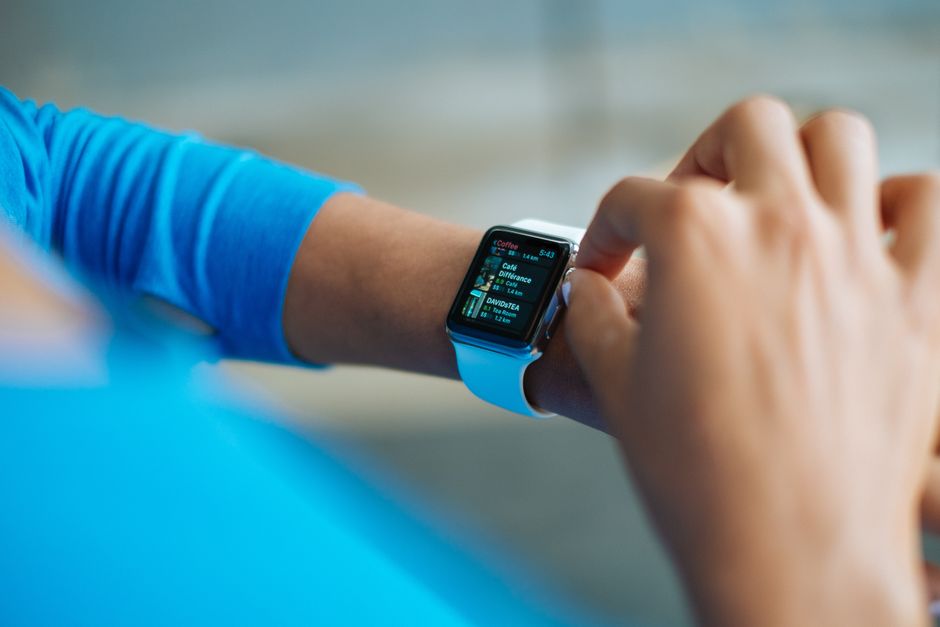
Choose an Oura Ring if overnight comfort, screen-free health data, and recovery trends matter most and you accept its membership cost. Choose an Apple Watch if you want workouts, GPS, optional cellular access, and cycle insights without a required health-data subscription. For sleep-stage accuracy in one 2024 study, Oura had the stronger result; for sleep-versus-wake detection, Apple Watch scored slightly higher.
The device you keep wearing wins. A ring is a quiet sensor. A watch is a health tracker, workout tool, and small screen on the wrist.
| Option | Who it suits | Published cost | Key limitation |
|---|---|---|---|
| Oura Ring Gen3 or later | People focused on detailed sleep, readiness, temperature, and women's-health features in a screen-free form | Membership: $5.99 per month or $69.99 per year in the U.S. after one included month for new members; ring purchase price: not published in the provided sources | Detailed app features require active membership; Oura advises removing the ring for weightlifting |
| Apple Watch Series 10 | People who want sleep, cycle tracking, GPS, optional cellular connectivity, and workout use on one device | Starts at $399 in the U.S. | Apple lists up to 18 hours of normal-use battery life, so regular charging is part of ownership |
| Apple Watch SE | People seeking an Apple Watch at a lower published starting price | Starts at $249 in the U.S. | Feature availability for the comparison points above is not published in the provided Series 10 source |
Cost is not one number. The Apple Watch has a larger published upfront price for Series 10, while Oura has a recurring charge tied to the detail many buyers want. Apple says Fitness+ is optional, and core watch functions do not require it.
Is a smart ring more accurate than an Apple Watch for sleep tracking?
For sleep stages in the available study, Oura Ring Gen3 produced the more reassuring result; for the simpler question of sleep versus wake, Apple Watch Series 8 scored higher by two percentage points.
A 2024 inpatient study in healthy adults compared Oura Ring Gen3 and Apple Watch Series 8 with polysomnography, the clinical reference standard. All tested devices reached at least 95% sensitivity for sleep-versus-wake detection. Apple Watch measured 97%; Oura measured 95%.
The split matters when the app turns a night into colored stages. Oura's sleep-stage sensitivity ranged from 76.0% to 79.5%. Apple Watch ranged from 50.5% to 86.1%, depending on the stage. Oura did not differ significantly from polysomnography for wake, light, deep, or REM estimates. Apple Watch underestimated deep sleep by 43 minutes and overestimated light sleep by 45 minutes.
That does not crown a universal winner. The study covers one scheduled night and 35 healthy adults aged 20 to 50. Its authors warn against extending the result to insomnia, sleep disorders, or all-day use. A sleep score is a pattern tool, not a diagnosis.
If your main question is, “Did I sleep, and did the pattern shift?” either device has a sound case from this study. If you want the available evidence to lean toward stage estimates, the ring has the clearer edge.
Which wearable is best for menstrual cycle tracking?
Apple Watch is the cleaner choice for retrospective ovulation estimates without a required data subscription; Oura is the more specific choice for members using fertile-window guidance to aid conception.
Apple says overnight wrist-temperature changes can improve period predictions and provide retrospective ovulation estimates. Temperature data becomes available after about five nights of sleeping with the watch while Sleep Focus is enabled. Apple says estimates should become available after about two menstrual cycles of nightly wear.
The wording is deliberate. Apple calls these estimates retrospective. Its Cycle Tracking feature is not birth control and should not diagnose a health condition.
Oura's Fertile Window is for members with an Oura Ring Gen3 or later who are estimating conception timing. Oura defines the fertile window as the five days before ovulation through one day after. It states at least 70% accuracy for predicting fertile days in a regular cycle, forecasting up to six days ahead, with a mean absolute error of up to three days.
Those figures carry limits. Oura says data are limited for cycles shorter than 21 days, longer than 35 days, or varying by more than seven days. It also says not to use the feature as contraception. Prediction is not prevention.
Can I wear a smart ring while lifting weights or working out?
Wear an Oura Ring for ordinary daily activity if it fits well, but remove it for lifting weights and other friction-heavy work; Oura gives that instruction directly.
Oura's product guidance says to consider removing the ring in situations involving friction, including weightlifting. It also says scratches and ordinary wear-and-tear damage are not covered by the warranty. The company notes that exercise, temperature, food and drink, and altitude can change finger size and affect removal.
This makes the division plain. A ring suits recovery data around training. A watch suits people who want the device present during training, with GPS and workout-oriented access on the wrist. Apple lists GPS as a Series 10 feature and offers optional cellular connectivity.
Gym users do not need one device for every hour. The better purchase follows the hours that matter. For training routines that also bring appetite questions, this guide on managing hunger and cravings after starting workouts addresses the food side of that routine.
One more boundary matters: Oura states that its ring is not a medical device and is not intended to diagnose, treat, cure, monitor, or prevent disease. The same restraint belongs in how any wearable data is read.
Buy the ring when sleep and recovery are the center of the map. Buy the watch when movement and on-wrist utility are part of the route. The best health tracker is not the one with more graphs. It is the one still worn on an ordinary Tuesday night.
Frequently Asked Questions
Do smart rings require a monthly subscription?
Oura Ring Gen3 and newer include one month of membership for new members, then cost $5.99 per month or $69.99 per year in the United States. Without membership, the app shows the three daily scores, battery, basic profile information, settings, and Explore content. Apple lists core sleep and health functions on Apple Watch without a required subscription; Fitness+ is optional.
Should I buy a smart ring if I do not want another screen or notifications?
Yes, an Oura Ring fits that use case because its detailed health information lives in the app rather than on a wrist screen. The trade is ongoing membership: detailed sleep analysis, 24/7 heart-rate tracking, advanced temperature monitoring, blood-oxygen sensing, activity features, and women's-health features require an active membership for Gen3 and newer.
Which is more comfortable to wear overnight, a ring or a smartwatch?
Public source data does not rank overnight comfort between a ring and a smartwatch. The practical answer depends on whether a finger-worn device or a wrist-worn device disappears more easily during sleep. Oura also says finger size can change with exercise, temperature, food and drink, and altitude, so fit needs attention.
Sources
- PubMed Central: Accuracy of Three Commercial Wearable Devices for Sleep Tracking in Healthy Adults
- Apple Support: Receive retrospective ovulation estimates on Apple Watch
- Apple: Introducing Apple Watch Series 10
- Oura Member Care: Oura Membership
- Oura Member Care: Fertile Window User Manual
- Oura Member Care: Product Safety & Use
Related guides
Razr Ultra or Z Flip7: Choose the Right Flip Phone
Choose between the Razr Ultra and Galaxy Z Flip7 by battery, cover-screen apps, durability limits, cameras, and update support.

How Do I Transfer My Phone Number to an eSIM-Only iPhone?
Move your number to an eSIM-only iPhone with clear setup steps, carrier checks, travel planning, and fixes for common activation failures.