
How Can I Reduce Belly Fat Fast?
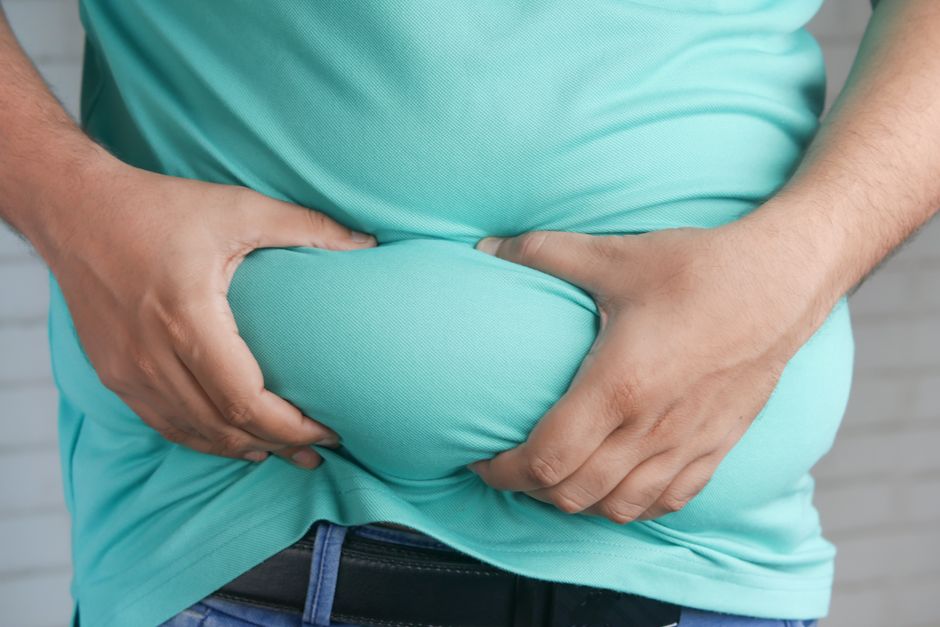
To reduce belly fat fast, focus on steady overall fat loss rather than trying to target your stomach: use a moderate calorie deficit, filling meals, regular walking or other aerobic activity, and strength training. The CDC says gradual loss of about 1 to 2 pounds per week is more likely to stay off. A flatter-looking belly in a few days may reflect water or bloating changes, not fat loss.
What is the fastest safe way to reduce belly fat?
The fastest dependable approach is a consistent, moderate calorie deficit paired with activity—not an extreme diet or a belly-only workout. The CDC says gradual loss of about 1 to 2 pounds per week is more likely to be maintained than faster loss. That is a broad guideline, not a weekly promise; individual results vary.
Build a routine around changes you can repeat: choose filling meals, be aware of portions, replace sugary drinks, and add regular walking or other aerobic activity. The Mayo Clinic recommends plant-based foods, whole grains and lean protein as part of an eating pattern for managing belly fat. The useful test is not whether a plan feels punishing for a few days; it is whether it still works next week.
Pair eating changes with movement. The U.S. Department of Health and Human Services’ Physical Activity Guidelines for Americans recommend that adults aim for 150–300 minutes of moderate-intensity aerobic activity each week, or 75–150 minutes of vigorous activity, or an equivalent combination. They also recommend muscle-strengthening activity involving all major muscle groups on at least two days each week. The guidelines say combining calorie reduction with physical activity tends to be more beneficial for weight loss than either alone, and strength training can help maintain lean body mass during weight loss.
Use those figures as a direction for building a routine, not a requirement to jump immediately to the upper end. A practical sequence is to make meals more filling and portions more deliberate, establish regular walks or cardio, then add strength sessions across the week. A moderate plan that stays in place beats a severe plan that collapses.
Can I actually lose belly fat in a week, or is quick change mostly water weight?
A noticeable change in a week can happen, but the scale and waistline do not tell you that the change is all fat. Mayo Clinic explains that weight loss typically includes a mix of fat, lean tissue and water. So a fast shift on the scale is not a clean measure of fat lost from the abdomen.
Mayo Clinic notes that a roughly 500-calorie daily reduction may result in about ½ to 1 pound of loss per week, with results varying by person and circumstances. The CDC’s general pace is about 1 to 2 pounds per week and emphasizes that gradual loss is more likely to last. These figures are not a race target: they describe different general guidance, and neither can predict exactly what one person will lose in a particular week.
Separate short-term appearance from progress. Temporary changes in how your belly looks are not proof of targeted fat loss; the available research here does not provide a timeline for individual bloating changes. Judge the plan over a longer stretch by whether your habits are consistent and the overall trend is moving, rather than reacting to one day’s measurement.
Which diet and workouts help reduce belly fat without an extreme calorie restriction?
A useful combination is a manageable calorie reduction, filling food choices, aerobic activity and full-body strength training. Mayo Clinic’s guidance on calories says replacing higher-calorie foods with lower-calorie choices and reducing portions can help. It also notes that combining healthy eating with regular activity supports lasting weight management.
Turn that into a simple operating plan:
- Make one repeatable food change. Build meals around plant-based foods, whole grains and lean protein, and check portions. Replacing a sugary drink is a concrete starting move identified by Mayo Clinic.
- Schedule aerobic activity. Work toward the federal guideline of 150–300 minutes of moderate activity a week, or its vigorous-activity equivalent. Walking is one practical form of regular activity; consistency matters more than a one-off hard session.
- Include strength work. The federal guidelines call for muscle-strengthening activities involving all major muscle groups on at least two days weekly. This supports muscle maintenance during weight loss; it is not a way to spot-reduce fat.
- Keep the deficit moderate. Mayo Clinic describes roughly 500 fewer calories per day as one approach that may yield about ½ to 1 pound per week, but explicitly notes that results vary. Avoid treating this estimate as a personalized prescription.
Crunches can belong in a workout if stronger abdominal muscles are a goal. They are not a shortcut for removing the layer over those muscles. In a randomized study of 24 healthy sedentary adults, the exercise group performed seven abdominal exercises for six weeks while keeping an isocaloric diet; abdominal exercise alone did not significantly change body weight, body-fat percentage, abdominal fat, circumference or skinfold measures. Curl-up performance did improve. The study, published in the Journal of Strength and Conditioning Research, shows the distinction: a muscle can get better at its job without nearby fat selectively disappearing.
Mayo Clinic also explains why the abdomen can be stubborn: age, genetics, calorie intake and calorie expenditure affect weight and where fat is stored. Belly fat includes both subcutaneous fat under the skin and visceral fat around internal organs. Estrogen changes can shift fat distribution toward the abdomen after menopause. There is no reliable exercise that chooses the order in which your body loses fat; for more detail on that pattern, see Why Am I Losing Weight but Still Have a Lower-Belly Pouch?
Skip crash diets and promises of rapid belly-only results. The source evidence supports gradual weight loss and combined eating and activity changes; it does not establish a quick fix that selectively burns abdominal fat. For this week, pick one food adjustment, schedule aerobic activity, and put strength sessions on the calendar. Then check which parts you can repeat next week.
Frequently Asked Questions
Do crunches or other ab exercises burn belly fat specifically?
No. Crunches can strengthen abdominal muscles, but they do not selectively remove the fat over them. A randomized study found that six weeks of abdominal exercises alone did not significantly change abdominal fat or body composition, although curl-up performance improved.
How much weight can I safely lose per week?
The CDC says people losing weight gradually, at about 1 to 2 pounds per week, are more likely to keep it off than people losing faster. That is a general population guideline, not a guarantee or an individualized target; results vary with a person’s circumstances.
Why does my belly seem to be the last place I lose fat?
Fat loss does not happen in a chosen order. Mayo Clinic identifies age, genetics, calorie intake and expenditure as factors affecting weight and fat distribution; estrogen changes after menopause can also shift fat toward the abdomen. Abdominal exercises can strengthen the area but cannot dictate where fat comes off.
Sources
- Centers for Disease Control and Prevention, Losing Weight
- U.S. Department of Health and Human Services, Physical Activity Guidelines for Americans
- Vispute et al., Journal of Strength and Conditioning Research, PubMed
- Mayo Clinic, Belly fat in women: Taking — and keeping — it off
- Mayo Clinic, Counting calories: Get back to weight-loss basics
Disclaimer: This article is for general information only and is not medical advice. It is not a substitute for diagnosis or treatment by a qualified healthcare professional. Always speak to your doctor before acting on anything you read here.
Related guides
How Can I Reduce Belly Fat Fast If It’s Bloating?
To reduce belly fat fast, distinguish temporary bloating from lasting fat change, use practical trigger-focused steps, and seek care for concerning symptoms.
Why Am I Losing Weight but Still Have a Lower-Belly Pouch?
Why lower-belly fullness can remain after weight loss, how to separate fat from bloating, and what body-composition steps make sense.

How Do I Know Whether a Boarding School Fits My Child?
A practical parent framework for comparing boarding schools on readiness, support, costs, campus evidence, and boarding options.

How Can My Child Attend a Highly Rated Texas High School?
A practical guide to Texas high school attendance zones, transfers, magnets, lotteries, transportation, and eligibility.