
How Can I Reduce Belly Fat Fast If It’s Bloating?
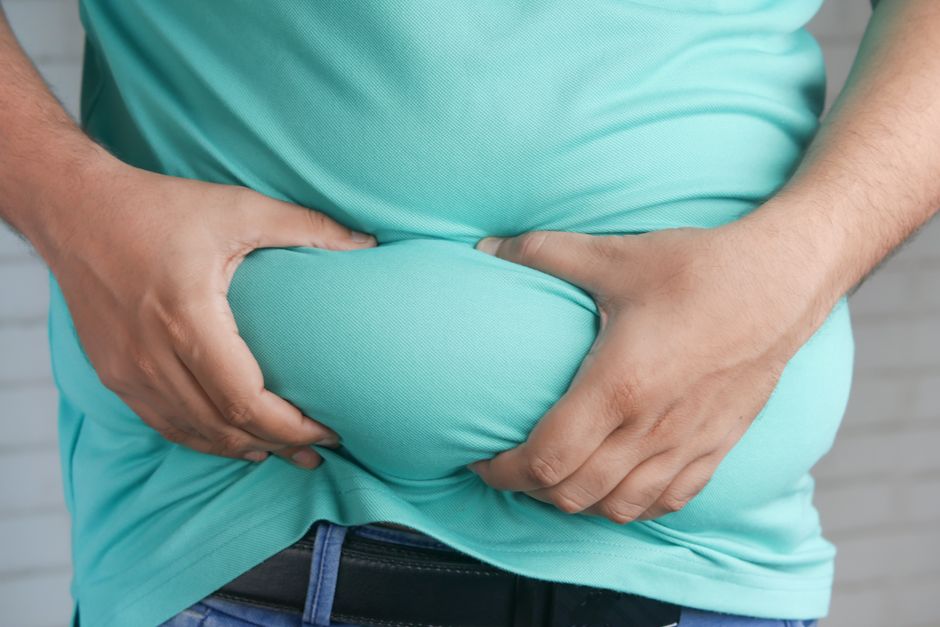
To reduce belly fat fast, first check whether the change is actually bloating: gas-related fullness or visible swelling can shift after meals and over the day, while body fat does not disappear after a short-term fix. Eat slowly, limit fizzy drinks, and track recurring triggers. Persistent or painful swelling needs medical advice; lasting fat change is gradual.
How can I tell if my stomach is bloated or if it is belly fat?
Bloating is more likely when abdominal fullness or size changes over hours, especially around meals, while body fat is a more persistent change that does not vanish after passing gas or waiting a few hours. Neither appearance nor a single moment of checking can diagnose the cause, so focus on the pattern and any associated symptoms.
The National Institute of Diabetes and Digestive and Kidney Diseases (NIDDK) distinguishes bloating, a feeling of fullness or swelling, from distention, which is visible abdominal enlargement. It reports that only about half of people who experience bloating also have distention. That distinction matters: a sensation of pressure does not always mean the abdomen has visibly grown, and visible swelling does not by itself show that body fat has increased.
Use a simple pattern check rather than a one-time mirror check:
- Timing: Notice whether the abdomen is flatter at one time of day and fuller after eating, or whether its appearance stays broadly similar.
- Discomfort: Record pressure, tightness, gas, or changes in bowel movements alongside appearance. Cleveland Clinic describes bloating as tightness, pressure, or fullness, sometimes with visible distention and discomfort.
- Response: Note whether the swelling eases as the day passes or after gas or stool passes. A temporary change points toward a short-term digestive factor, not fast fat loss.
By contrast, a softer or pinchable area that remains similar from morning to evening is not likely to change because of a single meal or a bloating remedy. Body-weight management involves longer-term patterns. The CDC says gradual weight loss of about 1 to 2 pounds per week is more likely to be maintained than faster loss; that figure describes overall weight loss, not a guaranteed rate of abdominal-fat change.
For a useful record, jot down meal timing, fizzy drinks, bowel patterns, discomfort, and when the abdomen looks different. This gives a healthcare professional more context if symptoms recur, and helps separate an ordinary short-term fluctuation from a stable change.
Why does my belly look bigger after eating?
Your belly may look bigger after eating because digestion, swallowed air, and gas can create temporary fullness or distention; that change is not proof of immediate fat gain. The NIDDK notes that some gas symptoms are normal, especially during or after meals.
Eating or drinking quickly can increase swallowed air, and fizzy drinks add another potential source of gas. Gut bacteria also produce gas when they break down carbohydrates that were not fully digested. These mechanisms can explain why the timing of a meal, rather than a lasting change in body composition, is relevant.
Try these low-risk adjustments one at a time so the pattern stays clear:
- Slow the pace. Sit down when possible and take more time to eat. NIDDK recommends eating slowly to reduce swallowed air.
- Change the drink and habits. Try avoiding fizzy drinks and straws, and skip chewing gum or sucking hard candy if gas is a problem. These habits can contribute to swallowed air or gas symptoms.
- Review meal size and possible triggers. Smaller, more frequent meals and tracking individual food triggers may help. Change one variable at a time rather than cutting out many foods at once.
- Check for constipation. Fewer than three bowel movements a week, hard or lumpy stools, painful passage, or feeling that stool has not fully passed are among the NIDDK’s constipation symptoms. Low fluid intake, insufficient fiber, inactivity, routine changes, and some medicines can contribute.
Cleveland Clinic also suggests walking, avoiding prolonged sitting, drinking enough water, and noticing food sensitivities as practical measures. The right next step depends on the pattern: if symptoms follow a particular habit, test a modest change; if constipation or pain is prominent, do not assume the cause is merely a food intolerance. Discuss supplements, probiotics, or complementary treatments with a doctor before using them, as NIDDK advises.
Can bloating make me look like I gained belly fat overnight?
Yes, bloating or distention can make the abdomen look larger over a short period, but that appearance change is not the same as gaining belly fat overnight. A quick shift after a meal is a poor measure of fat change because gas and digestive fullness can fluctuate while body fat does not respond to a brief fix.
That distinction also works in reverse. If the abdomen looks flatter after passing gas, changing meals, or using the bathroom, that is not evidence that fat has been lost. A temporary reduction in swelling can change how clothing fits without changing the underlying amount of body fat.
For longer-term weight change, look at trends rather than a single day’s shape. CDC guidance emphasizes sustainable patterns involving nutrition, physical activity, sleep, and stress management, and cautions against unrealistic rapid-loss goals. The CDC’s cited pace of about 1 to 2 pounds per week refers to gradual overall weight loss, not a promise about how quickly the waist will change.
If bloating repeatedly follows a specific food or habit, keep a short record and review it with a healthcare professional if needed. If the abdomen remains enlarged or symptoms worsen, shift from self-tracking to medical advice. NIDDK says gas symptoms may merit attention when they are bothersome, change suddenly, or occur with abdominal pain, constipation, diarrhea, or weight loss.
Frequently Asked Questions
How long does bloating usually last?
The sources provided do not establish one duration that applies to everyone. If bloating lasts more than a week, Cleveland Clinic advises contacting a healthcare provider, and severe or accompanied symptoms warrant attention sooner.
What can I do to reduce bloating quickly?
Try eating more slowly, avoiding fizzy drinks and straws, and choosing smaller, more frequent meals while noting possible food triggers. A walk and avoiding prolonged sitting may also help; these steps address common bloating contributors, not body fat.
When should frequent or severe bloating be checked by a doctor?
Seek medical advice if bloating is very painful, lasts more than a week, changes suddenly, or occurs with fever, vomiting, bleeding, weakness, unexplained weight loss, or bowel changes. Constipation with constant abdominal pain or inability to pass gas needs prompt medical attention.
Sources
- National Institute of Diabetes and Digestive and Kidney Diseases (NIDDK): Symptoms & Causes of Gas in the Digestive Tract
- National Institute of Diabetes and Digestive and Kidney Diseases (NIDDK): Treatment for Gas in the Digestive Tract
- National Institute of Diabetes and Digestive and Kidney Diseases (NIDDK): Symptoms & Causes of Constipation
- Centers for Disease Control and Prevention (CDC): Losing Weight
- Cleveland Clinic: Bloated Stomach
Disclaimer: This article is for general information only and is not medical advice. It is not a substitute for diagnosis or treatment by a qualified healthcare professional. Always speak to your doctor before acting on anything you read here.
Related guides
How Can I Reduce Belly Fat Fast?
Reduce belly fat through a moderate calorie deficit, regular activity and strength training; fast changes may be water, not fat loss.
Why Am I Losing Weight but Still Have a Lower-Belly Pouch?
Why lower-belly fullness can remain after weight loss, how to separate fat from bloating, and what body-composition steps make sense.

How Do I Know Whether a Boarding School Fits My Child?
A practical parent framework for comparing boarding schools on readiness, support, costs, campus evidence, and boarding options.

How Can My Child Attend a Highly Rated Texas High School?
A practical guide to Texas high school attendance zones, transfers, magnets, lotteries, transportation, and eligibility.